Nadi Shodhana: A Step-by-Step Guide to Alternate Nostril Breathing
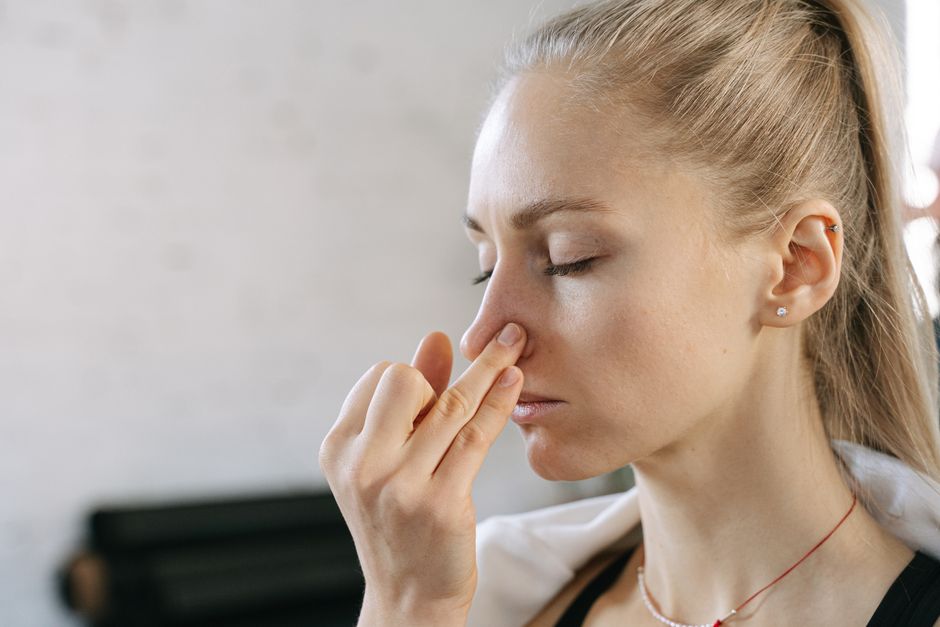
Alternate nostril breathing, known in yogic traditions as Nadi Shodhana, is a controlled breathing practice that involves inhaling and exhaling through one nostril at a time. The practice is often introduced in the context of pranayama, the branch of yoga focused on breath regulation. While its roots are ancient, the technique has attracted modern attention for its potential role in supporting nervous system balance and mental clarity. This guide provides a detailed walkthrough of the method, along with context on how it interacts with physiological processes.
Many individuals explore Nadi Shodhana as part of a broader wellness routine. The practice is typically performed in a seated, comfortable position and requires no special equipment. Its structured nature makes it accessible to beginners while offering depth for experienced practitioners. Understanding the steps and the underlying rationale can help integrate the technique into a regular practice with greater awareness and consistency.
The Concept Behind Nadi Shodhana
In yogic philosophy, the term “Nadi Shodhana” translates to “channel purification.” The practice is believed to help clear the subtle energy channels in the body, which are thought to influence physical and mental states. While these traditional concepts are not directly measurable in scientific terms, they offer a framework that emphasizes balance and harmony. In a modern context, the practice is often examined for its effects on the autonomic nervous system, which controls involuntary functions such as heart rate, digestion, and stress responses.
Alternate nostril breathing involves a specific pattern: closing one nostril, inhaling through the open nostril, closing it, and then exhaling through the opposite nostril. This cycle is repeated for several rounds. The deliberate alternation is thought to create a rhythmic stimulation of the two hemispheres of the brain via the nasal passages, which are linked to the nervous system through the trigeminal nerve. Research on nasal cycles and breathing suggests that each nostril may have different dominance at different times, and alternating the breath may help harmonize these cycles.
Step-by-Step Instructions for Practice
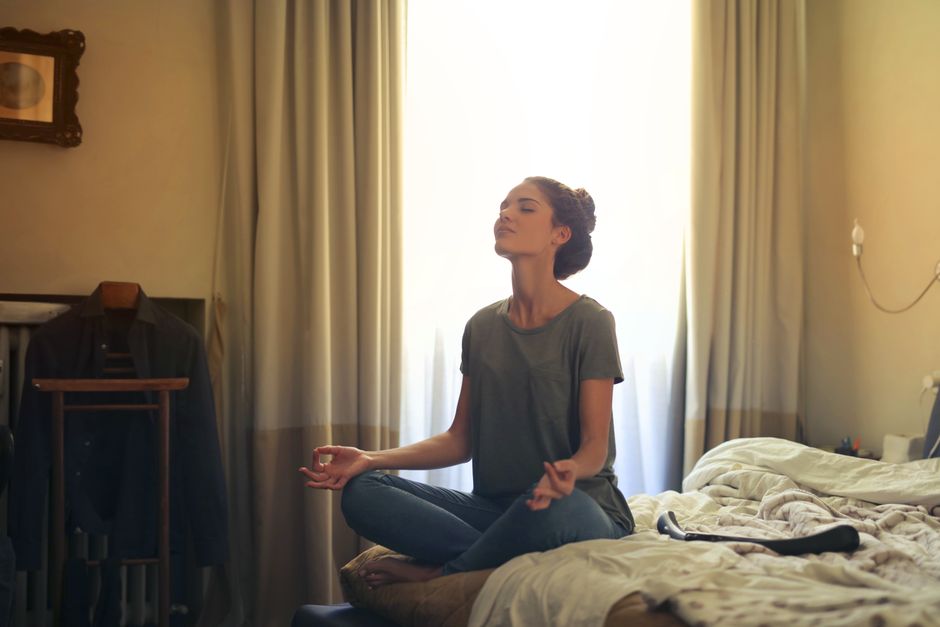
To begin, find a quiet space where you can sit upright without strain. A chair with a straight back or a cushion on the floor works well. Place your left hand on your knee with the palm facing up or in a relaxed position. Raise your right hand toward your nose. Use the thumb to gently close the right nostril and the ring finger to close the left nostril. The index and middle fingers can rest lightly on the forehead or be folded toward the palm.
Start by closing the right nostril with your thumb. Inhale slowly and evenly through the left nostril to a comfortable count, such as four seconds. At the top of the inhalation, close the left nostril with your ring finger, release your thumb from the right nostril, and exhale gently through the right nostril for the same count. Then inhale through the right nostril, close it with your thumb, release the ring finger from the left nostril, and exhale through the left. This completes one cycle. Continue for five to ten cycles initially, gradually increasing as comfort allows.
It is important to maintain a relaxed pace. The breath should not be forced or rushed. If the count feels too long, shorten it. Some practitioners prefer to add a brief pause at the top of each inhalation or at the bottom of each exhalation, but this is optional. Consistency in the pattern matters more than the exact duration. Over time, the rhythm may become smoother and more natural.
Considerations for Nervous System Balance
The practice of alternate nostril breathing is often linked to the concept of balancing the autonomic nervous system. The sympathetic branch is associated with the “fight-or-flight” response, while the parasympathetic branch relates to “rest-and-digest” states. Controlled, slow breathing techniques in general have been shown in studies to influence heart rate variability and promote a shift toward parasympathetic activity. Nadi Shodhana, with its alternating pattern and extended exhalations, may support this shift in some individuals.
It is worth noting that individual responses can vary. Factors such as baseline stress levels, breathing patterns, and overall health contribute to how the practice is experienced. Some people report a sense of calm or mental clarity after a session, while others may notice subtle changes over longer periods of consistent practice. The technique does not replace medical or therapeutic interventions, but it can serve as a complementary tool within a broader self-care routine.
Tips for Developing a Sustainable Practice
Starting with short sessions of two to three minutes can help build familiarity with the pattern without causing discomfort. Morning or early evening times are often chosen, but the practice can fit into any schedule when a few moments of quiet are available. Consistency, rather than duration, tends to be the key factor in experiencing any potential benefits. Using a gentle, non-judgmental attitude toward the breath can prevent unnecessary effort.
For those who find difficulty keeping track of the alternating pattern, simply counting the rounds or using a mental cue can help. Some practitioners prefer to practice with eyes closed to reduce distractions. In initial attempts, it may help to practice in front of a mirror to check that the hand position is comfortable and the breathing is smooth. Over time, the sequence becomes more automatic, allowing the attention to rest on the sensation of the breath itself.
A calm and consistent approach to practice often yields a more rewarding experience than striving for immediate results.
Common Variations and Adaptations
There are several variations of Nadi Shodhana that adjust the ratio of inhalation and exhalation. A common adaptation involves inhaling for a count of four, holding the breath for a count of four, and exhaling for a count of six or eight. Such ratios should only be attempted once the basic pattern feels comfortable, and no strain should be present. Another variation reduces the closing pressure on the nostrils; using a light touch is enough to seal the nostril gently without pressing too hard.
The practice can also be performed without using the fingers by simply focusing the attention on one nostril at a time, though the manual method is more traditional and precise. In some settings, guided audio instructions may provide additional support, especially for those new to breathwork. As with any practice involving breath control, listening to the body’s signals is essential. If dizziness or discomfort arises, returning to normal breathing is recommended.
In a studio or class context, such as those offered by Sage Yoga, instructors may provide personalized guidance on technique and pacing. The supportive environment of a group session can help newcomers build confidence in the practice, though the technique remains simple enough to continue independently.